Don’t Feel Powerless
Planning for a Bright Future Starts With Getting Power (& space) provisions right
In most projects, space isn’t the exciting part of the design. Everyone wants to talk about layouts, finishes, façades and features. But
quietly, in the background, space for building services is setting the rules for everything that follows.
Plant rooms, risers, ceiling zones, shafts, corridors, roof space, switchboards, pipe routes, duct runs and access paths — these aren’t
decorative. They are hard constraints. Get them wrong early, and the rest of the team spends the project working around problems that
didn’t need to exist... BUT THATS ANOTHER STORY.
This isn’t just an electrical issue. It applies to mechanical, hydraulic, fire, electrical, controls and technology systems equally.
Power supply means more than “is there enough power?”
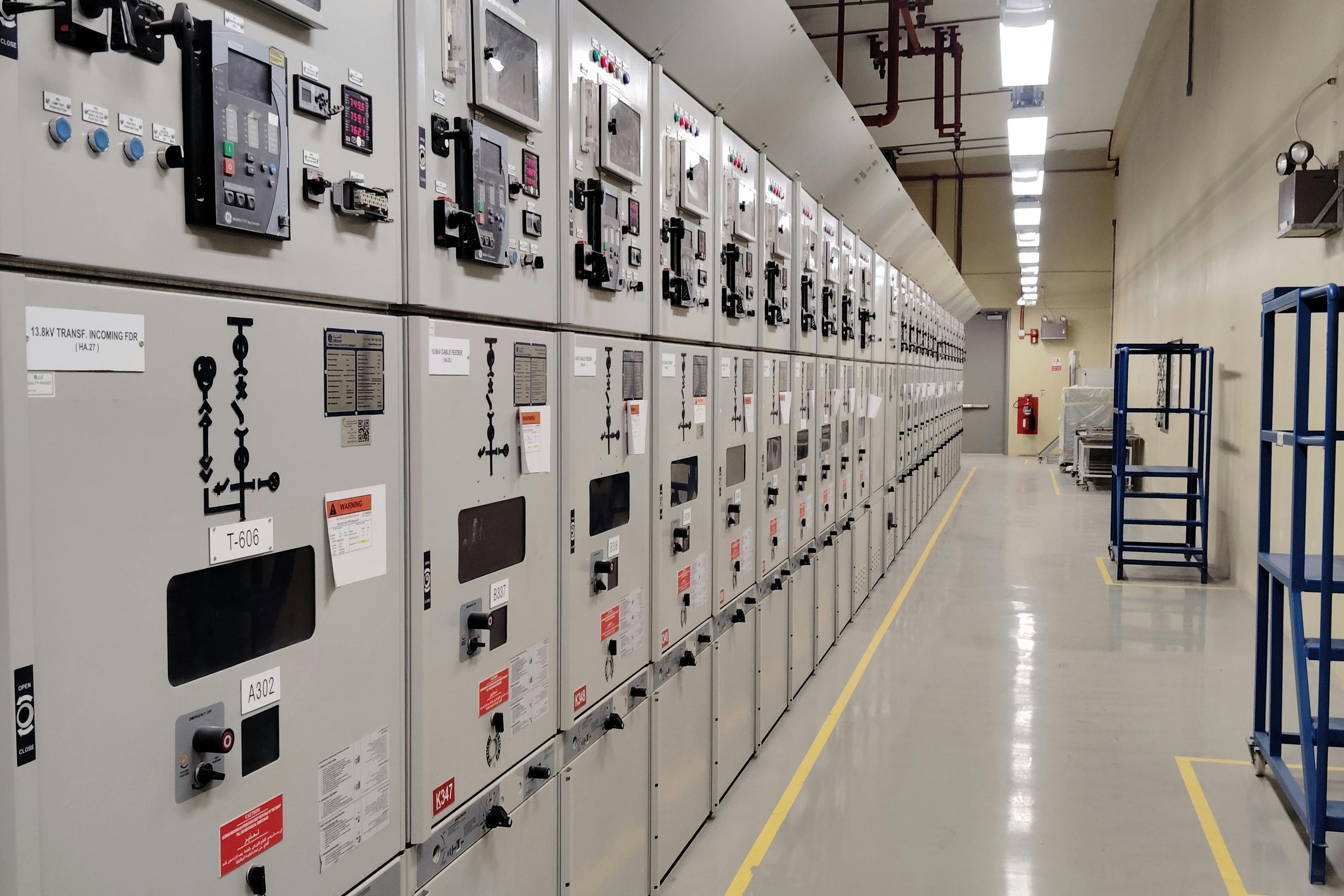
Real power planning goes beyond nameplate loads and rule-of-thumb allowances. It includes:
- Incoming grid capacity and connection conditions
- Single-phase vs three-phase constraints
- Switchboard capacity and protection
- Starting currents, diversity, duty cycles, and load characteristics
- How power is actually used — not just how it’s labelled
This is where many projects quietly lose leverage.
Grid connection and load assessment: where big money is won or lost
We regularly see contractors or late-stage reviews call for: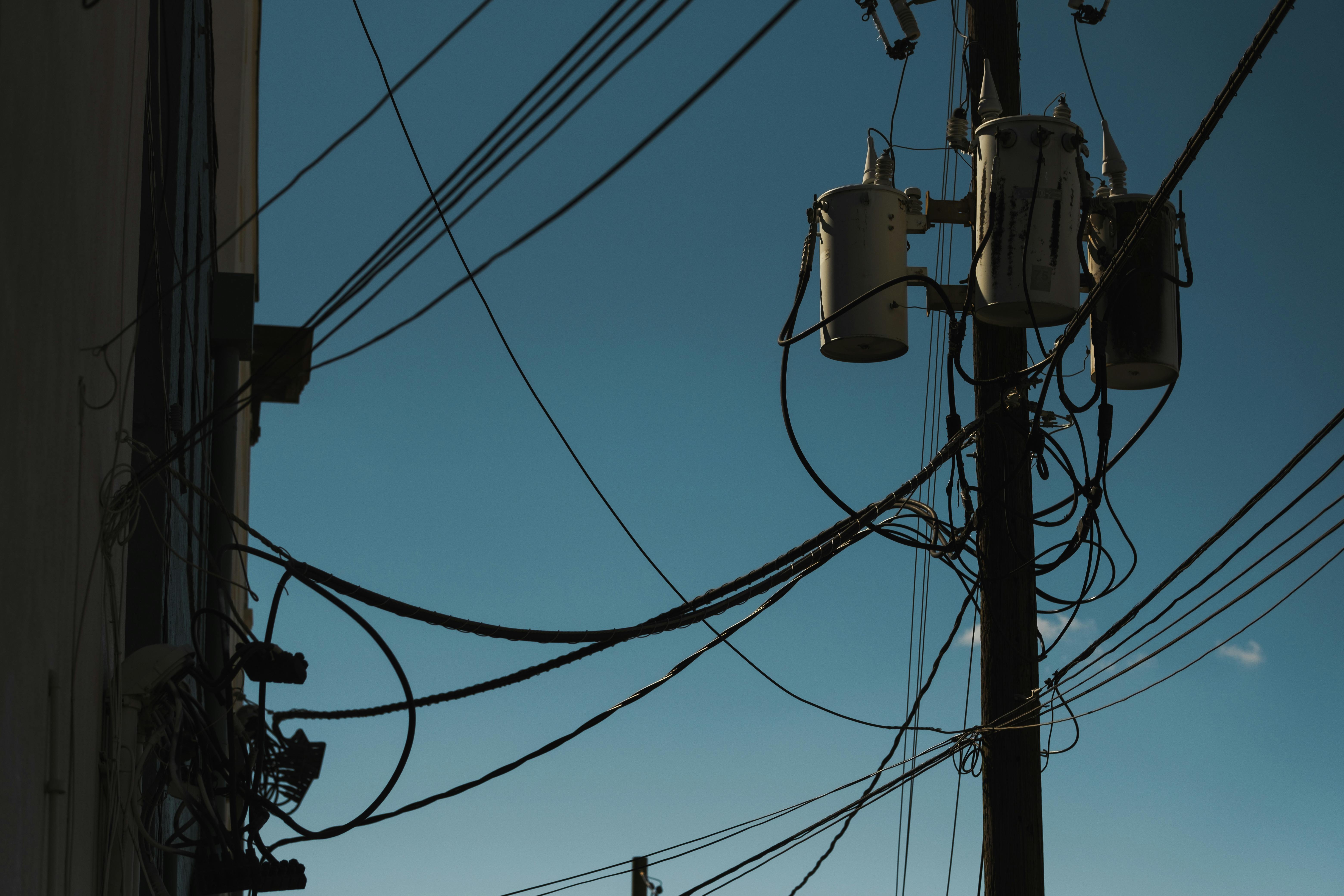
- Switchboard upgrades
- Transformer upgrades
- New grid connections
- Major infrastructure “corrections”
Often these are presented as unavoidable, fixing an earlier design oversight.
By analysing the actual load characteristics — starting behaviour, diversity, sequencing, and operational reality — we demonstrated that the upgrade wasn’t required at all.
The variation disappeared. The project moved forward. The client kept their capital where it belonged. That’s the difference between assuming load and understanding it.
The takeaway
Don’t feel powerless late in the project because someone else “discovered” a problem. Stay in control by treating plant, power, grid connection, and load assessment as early planning decisions — not late-stage fixes.
Haron Robson is a team with over 41 years of experience working through real power problems. Our job is to reduce the chance of interruption, limit the impact when it does happen, and make sure the investment matches the risk — not overshoots it.
Get in touch today if you want to see how this plays out in the real world, there are examples across solar PV, grid connections and
upgrades, generators, on-site generation and battery systems.
Less theory. Fewer assumptions.
Just practical power strategies that protect operations, revenue, and reputation.