Subscribe to our Newsletter
Signup for our monthly newsletter to get the latest news, updates and amazing offers delivered directly in your inbox.
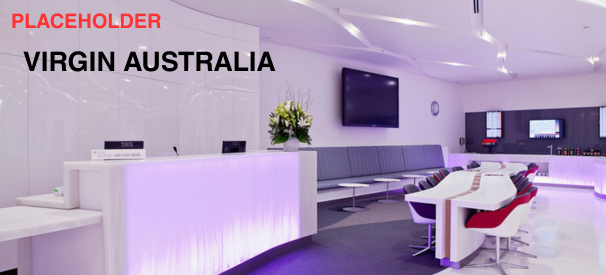
How lighting and audiovisual design helped create a fresh, modern and consistent Virgin Australia lounge experience.
An airport lounge has an unusual job.
It needs to offer respite from a busy terminal while still feeling connected to the journey ahead. It must accommodate travellers who want to work, meet, eat or simply pause before boarding.
Most importantly, it should feel unmistakably part of the airline.
When Virgin Australia refreshed its airport lounges in Sydney, Brisbane and Melbourne, the objective was not simply to illuminate three interiors. It was to create a fresh, clean and modern experience that could represent the Virgin brand across three different locations.
Haron Robson provided creative lighting design and coordinated the audiovisual technology for the lounges, signage and wider rebrand.
A consistent brand experience does not require every location to look the same.
Each airport presents different architecture, existing infrastructure and operational constraints. The design must respond to those conditions while retaining the qualities that make the space recognisably Virgin Australia.
That meant working closely with the interior designers and Virgin’s branding team to translate the broader design intent into lighting and technology that could work across all three lounges.
The objective was consistency without copy and paste.
The locations could respond to their individual surroundings, but the experience needed to feel connected from one city to the next.
Lighting plays several roles within an airport lounge.
It supports practical activities, helps define different areas and contributes to the way travellers experience the space. Brightness, contrast, colour and the placement of light can make an interior feel calm or active, open or intimate.
This becomes particularly important in a lounge, where several different experiences may need to coexist.
The lighting must provide enough illumination for working and moving safely through the space without making every area feel like part of the terminal outside. It must complement the architecture and finishes while supporting the airline’s visual identity.
When handled well, lighting does not compete for attention.
It allows the interior, the people and the brand to be seen as intended.
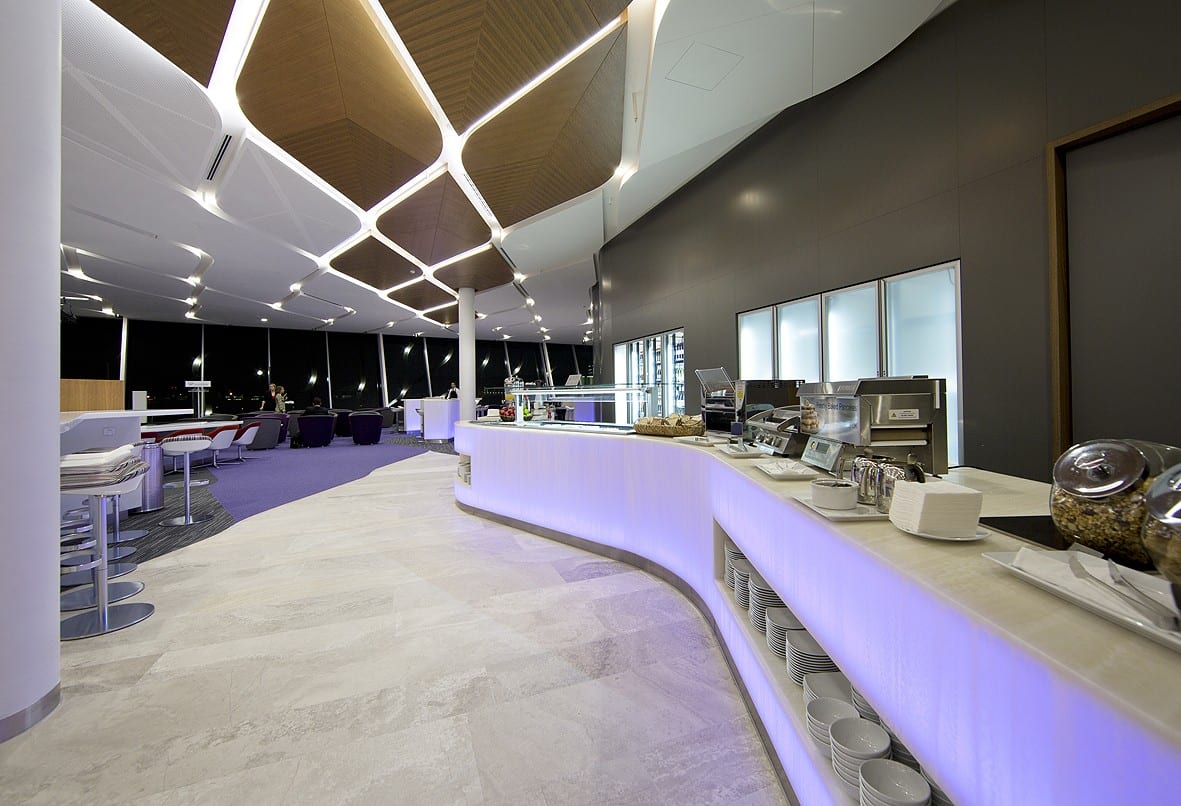
Audiovisual technology is another important layer of the lounge experience.
Screens, information displays and associated systems must be visible and useful, but they should not feel added after the interior has been completed. Their locations, connections and relationship with signage need to be considered as part of the design.
Haron Robson coordinated the audiovisual technology across the lounges and signage as part of the Virgin rebrand. Bringing this work together with the lighting design helped the visible technology sit more naturally within the completed environment.
It is a simple principle: if customers experience the lighting, interiors, signage and technology at the same time, those elements should also be designed together.
Creating an attractive space was only part of the brief.
Energy-efficient technology was a priority, with LED luminaires specified throughout most areas of the three lounges. This helped support the fresh, modern appearance while addressing the ongoing energy demands of spaces operating for extended hours.
The value of an efficient lighting design is not limited to reducing electricity use. Luminaire life, maintenance access and replacement requirements also matter in a secure airport environment, where even routine work may involve operational restrictions.
A fitting must therefore earn its place through more than appearance alone.
It must provide the required light, integrate with the design and remain practical throughout the life of the space.
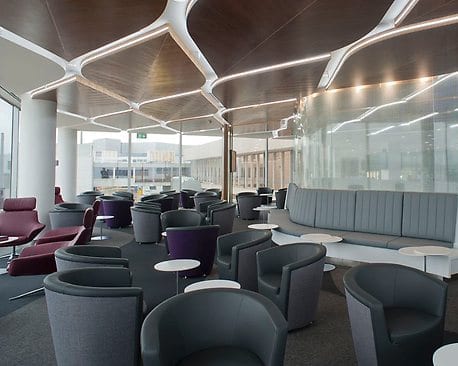
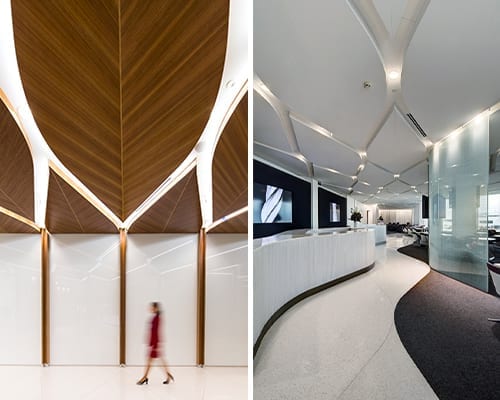
The wider Virgin Australia lounge upgrades took place over several years and across multiple Australian airports. Tonkin Zulaikha Greer describes the program as an effort to create a more pleasurable domestic travel experience, drawing on some of the character associated with the glamour of earlier air travel. View the architect’s project profile.
That ambition reaches beyond furniture, finishes or individual fittings.
A successful lounge changes the way waiting feels.
For this project, lighting and audiovisual technology helped connect three different locations through a shared identity. The systems supported the interior design, reinforced the rebrand and helped create an experience that felt consistent without treating every airport as identical.
Good design rarely comes from one element working alone.
It comes from architecture, interiors, lighting, technology and branding pulling in the same direction—so that wherever the journey begins, the experience feels unmistakably Virgin Australia.
Signup for our monthly newsletter to get the latest news, updates and amazing offers delivered directly in your inbox.