Another Plug for EVs
The Charger Is Only Half the Story
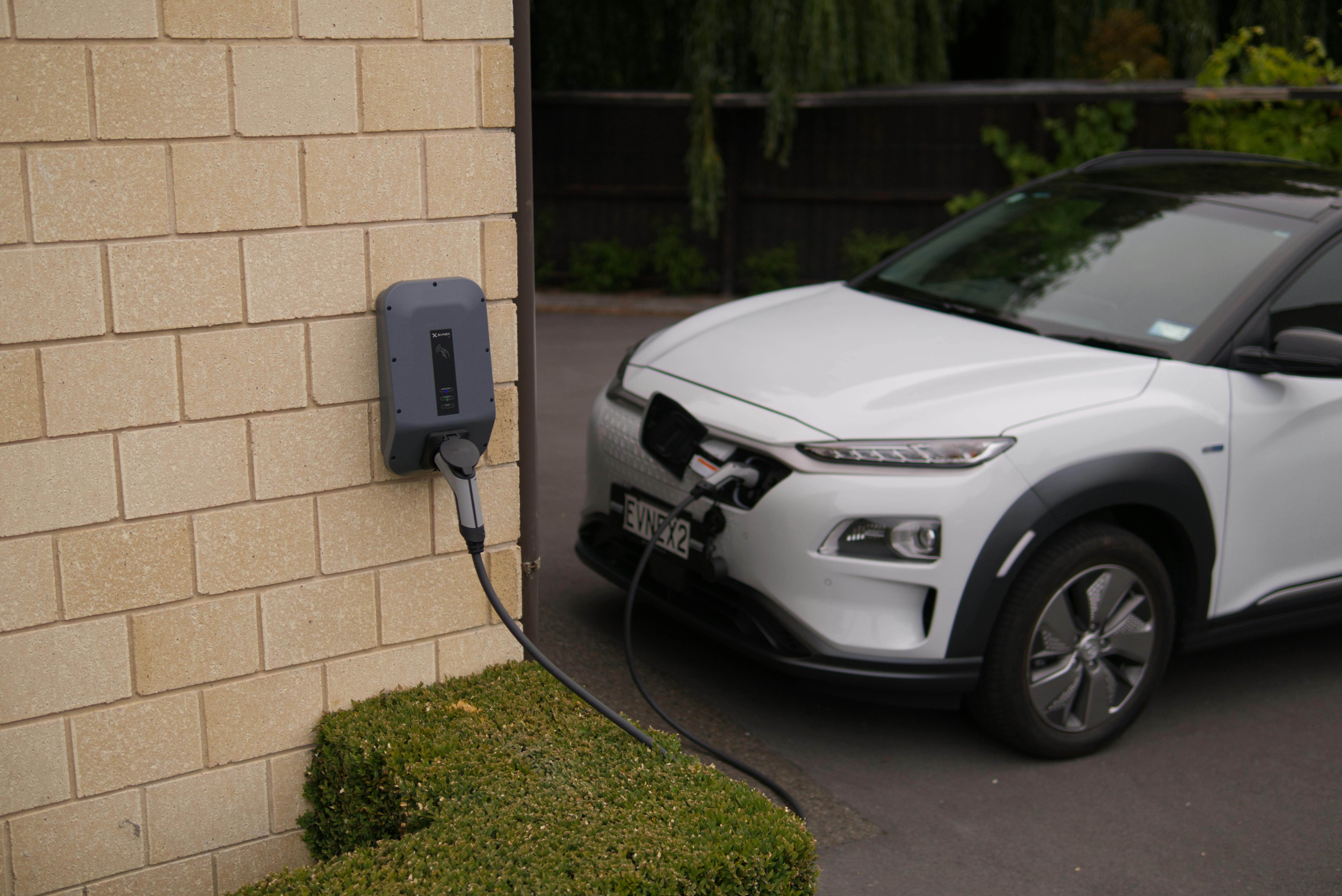
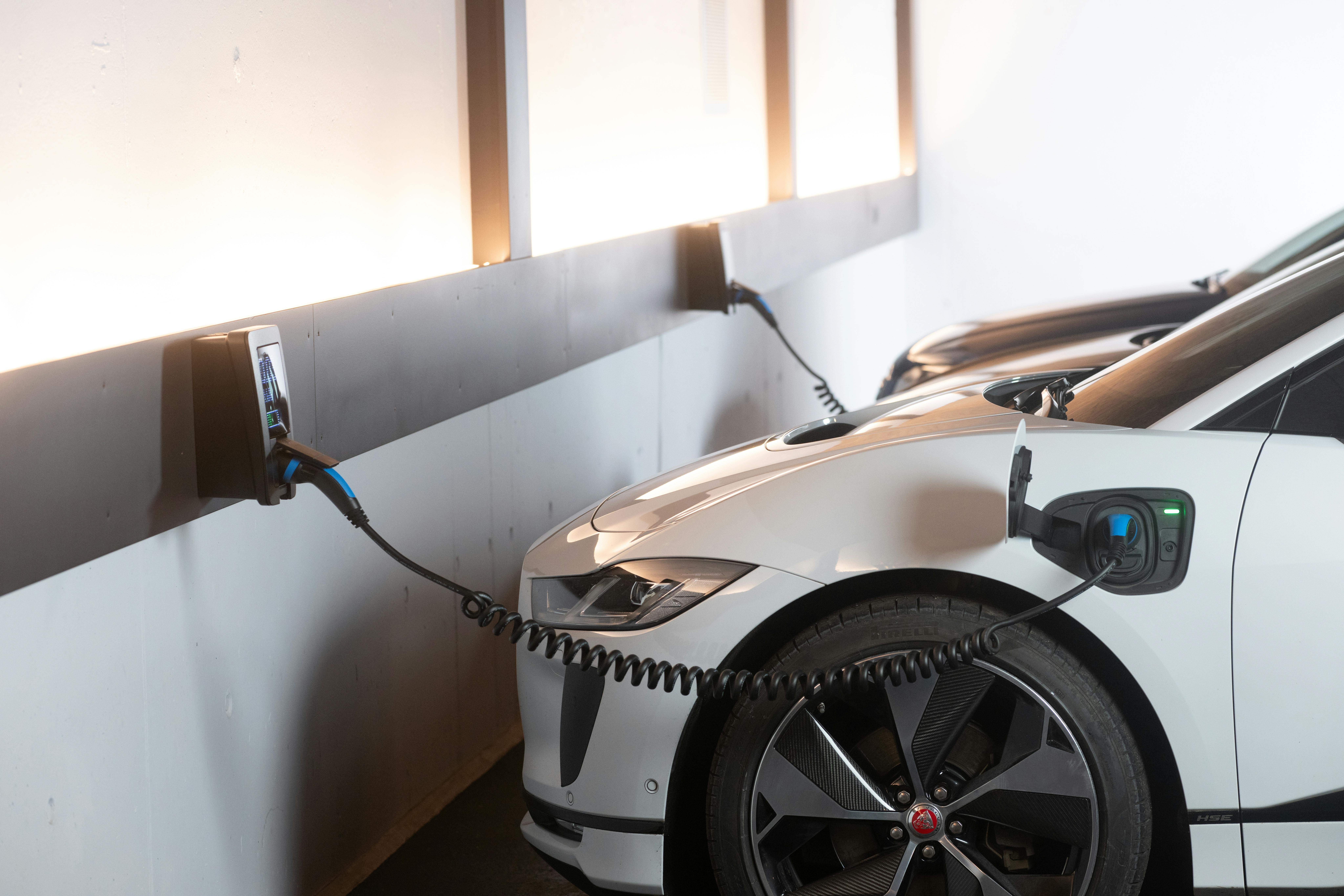
Electric vehicles are often shown plugged neatly into a wall charger, suggesting home charging is simple. In reality, the charger is only one part of a larger system.
Before buying an EV, a key question is not just how far it can drive, but how quickly it can recharge at home. The answer depends on several
factors: the vehicle, the charger, the cable, and the capacity of the home’s electrical supply.
Start With Real Driving Needs
Most drivers do not need to recharge a battery from empty each night. In Australia, the average passenger vehicle travels about 200–250 km per week, or roughly 30–35 km per day. This shifts the focus. Instead of asking how long a full recharge takes, it is more useful to ask how long it takes to replace the distance driven each day.
For many homes, a 7 kW single-phase charger can add about 40 km of range per hour. That means daily driving can often be replenished in
about an hour, with additional charging handled overnight.
Is Overnight Charging a Problem?
In most cases, no.
Overnight charging is typically sufficient because the vehicle only needs to recover daily usage. It becomes a constraint when there is a need to frequently recharge a large battery from a low state to full by the next morning.
This situation may apply to households with high daily travel, multiple EVs, or limited electrical capacity.
The practical benchmark is not whether the car can fully charge overnight, but whether it can recover the required range before the next
trip.
Electrical Supply Limits Charging Speed
Most freestanding homes in Australia have single-phase power, which generally limits AC charging to around 7 kW.
Higher charging rates, such as 11 kW or 22 kW, typically require:
- Three-phase supply to the property
- A compatible EV charger
- Suitable cabling
- A vehicle capable of accepting higher AC charging rates
Upgrading to three-phase can involve network approvals, metering changes, switchboard upgrades, and additional installation work. For many
households, this may not be cost-effective.
The Vehicle Can Be the Bottleneck
Installing a higher-rated charger does not guarantee faster charging. The vehicle’s onboard charger determines how much AC power it can
accept. For example, if a vehicle is limited to 7 kW AC charging, it will not charge faster even when connected to an 11 kW or 22 kW
charger. Checking the vehicle’s maximum AC charging rate is essential when assessing home charging performance.
Typical Home Charging Rates
As a general guide:
- 7 kW (single-phase): Adds around 40 km of range per hour; common in most homes
- 11 kW (three-phase): Adds around 60–65 km per hour; requires compatible supply and vehicle
- 22 kW (three-phase): Adds up to 100–130 km per hour; limited to vehicles that support this rate
Actual performance will vary depending on the vehicle, battery condition, and charging efficiency.
Apartment Considerations
Charging in apartment buildings is more complex. While three-phase power may exist within the building, it is not always accessible at individual parking spaces.
Installation often requires:
- New cabling routes
- Metering and billing arrangements
- Strata and regulatory approvals
- Fire safety considerations
As a result, EV charging in apartments is typically treated as a shared infrastructure project rather than a simple installation.
Key Takeaway
Selecting an EV should include assessing how well it integrates with the home electrical system. For many freestanding homes, a 7 kW charger is sufficient to meet daily driving needs. Three-phase charging may provide benefits where available, but only if the vehicle can utilise it. Ultimately, effective home charging depends on the alignment between the vehicle, charger, and electrical supply—not just the charger itself.
If you need assistance with connecting your EV to you home please email us by visiting the contact pages. We can recommend installers
for single installation or help with advice on larger more complex one.