Shaped by Light, Day and Night
How Our Team Thinks About Light, Place and Experience
There is a big difference between putting lights into a place and shaping a place with light. One approach starts with fittings. It asks where lights can be mounted, how many are needed, what output they produce and whether the space meets the required lighting levels. Those things matter, but they are only part of the job. The better approach starts with light itself.
It asks what light needs to do. It asks how people should feel, how they should move, what they should notice, what should be calm, what should have energy, what should be recognised from a distance, and what should be left alone. That shift matters.
When we stop thinking only about lights, we can start thinking about the power and effect of light. Light can reveal form. It can soften a space. It can make an entry feel obvious. It can give a façade presence. It can make water reflective, trees sculptural, walls warmer, paths clearer and signs easier to understand. It can create drama, calm, focus, safety, intimacy, ceremony or activity. It can also do the opposite.
Used poorly, light can flatten architecture, create glare, wash out views, fight with signage, overexpose landscape, make a place feel cold, or turn a carefully designed environment into visual noise. That is why our team thinks about light as an active design material, not just a technical service.
We still care about the fittings, controls, standards, maintenance, energy use and compliance. They are essential. But they are the means, not the starting point. The starting point is the effect: what the light is doing, what it is landing on, what it is saying, and how it changes the experience of the place from day to night. That is the difference between lighting a place and shaping a place with light.
But light is only one tool. Great places are rarely made by lighting alone. They are shaped by architecture, landscape, signage, public art, water, planting, pathways, materials, scale, movement and human activity. Light helps reveal these things. It gives them night-time value. It can strengthen identity, guide movement, mark arrival, support retail activity and create atmosphere. But it needs something worth revealing, and it needs to work with the other parts of the place.
That is why the work is not just technical. It is judgement.
Light Is One Part of the Toolkit
Lighting should not be treated as a magic layer added at the end. A place may be shaped by retail frontages, signage, awnings, trees, paving, seating, public art, landscape features, bridges, large built forms, water, edges, views and the way people move through it. Lighting supports these elements, but it should not have to compensate for poor planning, weak architecture or unclear identity.
Retail is a good example. A street can be technically lit and still feel dead. What makes it active is the combination of shopfronts, signs, window light, displays, internal glow, spill light, awnings, footpath activity and carefully controlled public lighting. The retail lighting, signage and streetscape lighting need to work together. If every sign shouts, the street becomes visual noise. If the public lighting is too flat, the shopfronts lose energy. If the shop lighting is uncontrolled, the street can feel harsh rather than lively.
Landscape is another example. Planting, mounds, walls, seating, level changes, trees, art, shelters and water features can all help make a place memorable. Lighting does not create those elements, but it can make them useful and visible after dark. It can reveal a tree canopy, catch the texture of a wall, make a sculpture legible, show the edge of a path, highlight the movement of water, or turn a still water surface into a calm reflective element.
The strongest places come from this combination. Light is not the whole story. It is the part that helps the story continue after dark.
Balancing Light, Darkness and the View
Great places are not made by lighting everything. They are made by deciding what should be seen, what should be left in shadow, and where the sky, distance and surrounding views should remain part of the experience.
Darkness is not a failure of design. Used carefully, it is part of the design. It allows lit forms to stand out. It protects views. It gives depth to landscape. It helps water reflect. It allows the night sky to remain visible where that matters. It also stops every surface, sign and feature competing for attention.
This is especially important in public spaces, resort environments, waterfronts, residential communities and large landscapes. In these places, too much light can make the environment feel hard, exposed and over-produced. It can also destroy the very qualities people came to enjoy: the view across water, the outline of trees, the shape of a bridge, the glow of a distant entry, the rhythm of a façade, or the sense of being outdoors at night.
The better approach is to use light with restraint. A lit façade, bridge, sculpture, entry statement, canopy, landscape wall or water edge can become more powerful when it sits within a darker setting. The contrast gives it importance. The darkness gives it room. The surrounding view gives it context.
That does not mean places should feel unsafe or under-lit. Movement routes, steps, entries, edges and decision points still need to be clear and comfortable. But the aim should be legibility, not blanket brightness.
The best night-time places balance enough light to move safely, enough contrast to understand what matters, enough darkness to preserve atmosphere, enough restraint to protect views and sky, and enough visual hierarchy to make the lit forms memorable.
That balance is where lighting becomes placemaking rather than just illumination.
The Surface Matters
Light does not work by itself. It works on surfaces.
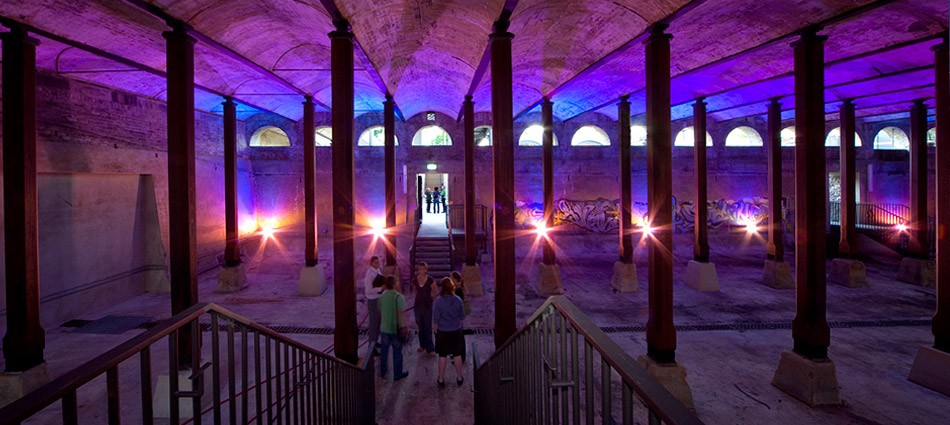
That means the area, colour, texture, shape and reflectance of the things being lit all play a part in the outcome. Hedges, trees, walls, rock faces, paths, hillside forms, bridges, façades and water bodies all respond to light differently. Some surfaces absorb light. Some reflect it. Some glow softly. Some sparkle. Some throw shadows. Some become flat and lifeless if they are lit the wrong way.
This is where the “how” and the “wow” of lighting come from.
A pale wall can become a soft lantern for a courtyard. A textured stone face can hold shadows and create depth. A hedge can become a green edge or a dark mass, depending on how it is lit. A tree canopy can feel light and layered, while the same tree lit badly can look harsh or artificial. A path can guide movement without dominating the view. A hillside can become a quiet backdrop rather than a black void. A still water body can reflect a lit form, tree line, sky or façade and make the whole scene feel larger and calmer.
The colour of the surface also matters. Warm stone, dark timber, planting, concrete, brick, metal, water and painted surfaces all return light differently. The same lamp can look gentle on one material and aggressive on another. The same level of light can feel generous on a pale surface and almost invisible on a dark one.
That is why lighting design needs to consider the place, not just the fitting. It is not enough to ask how bright the light is. We also need to ask what the light is landing on, what that surface will do with it, where it will be viewed from, what it will reflect, and whether it helps the place feel better.
The strongest results often come from lighting the right surface, not from using more light. A carefully lit wall, hedge, tree, rock face, path edge or water reflection can do more for atmosphere and orientation than a higher number of fittings. The surface becomes part of the light source. The place itself starts to glow.
That is when lighting stops feeling like equipment and starts feeling like the place.
Light as a Landmark
Sometimes light needs to work at a distance.
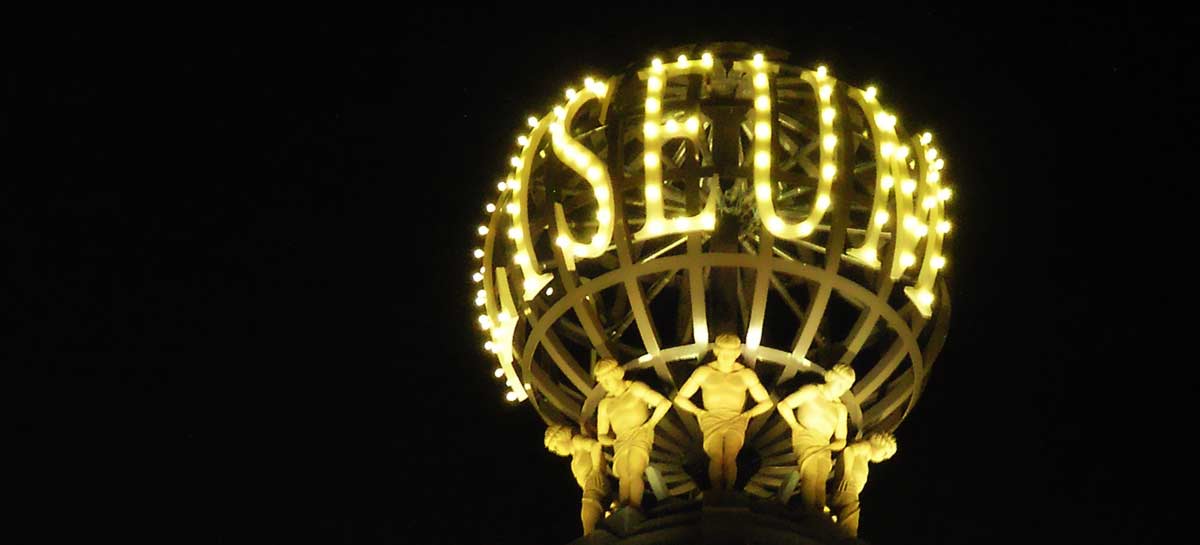
A landmark does not always need to be large, bright or spectacular. It needs to be recognisable. It may be a lit façade, a bridge, a tower crown, a canopy, a vertical marker, a sign, a sculptural form, a water element, a landscape edge or a clearly illuminated entry statement. The point is that people can see it, understand it and remember it.
This is where light becomes part of the identity of a place.
In city precincts, a high-level lit presence can help define the skyline or reinforce the character of a major destination. In hospitality and club projects, it can help a venue hold its place in a busy street or entertainment precinct. In growing residential communities, it can make entries, village centres, bridges and public spaces feel established, considered and easy to find.
The Ponds and The Gables are useful examples of where entry statements, landscape elements, built forms and lighting can work together to
create recognition. Photos of these places could help show how light marks arrival, gives shape to a community edge and helps a new
neighbourhood feel more complete at night.
Light That Tells You What It Is
Good placemaking lighting does not only make something visible. It helps explain what it is.
A building, public space, retail precinct or destination needs to be legible. People should be able to recognise the entry, understand the hierarchy and read the place without confusion. This can be done through façade lighting, signage, illuminated forms, lit thresholds, brighter entry zones, vertical surfaces, bridge lighting, canopy lighting, landscape lighting, water features or integrated architectural details.
This is especially important where the building or place needs to communicate from a distance. A sign may tell you the name, but the lighting, architecture, landscape and surrounding brightness tell you whether the place is open, welcoming, important, public, private, casual, formal, premium or playful.
The best outcomes usually happen when signage, architecture, landscape and lighting are considered together. Signage on its own can become a flat graphic. Lighting on its own can become decoration. Landscape without light can disappear at night. Water without the right lighting can become either invisible or unsafe. Public art without the right night-time setting can lose its purpose.
Together, these elements can give the place identity, direction and presence.
Facades, Forms, Bridges and Landscape Features
Facades are often where lighting can make the biggest difference, but also where it can do the most damage.
A façade does not need to be washed evenly with light to be successful. In many cases, that approach flattens the building and removes the very detail that makes it interesting. Better façade lighting usually comes from judgement: selecting the right surfaces, revealing depth, allowing shadow, highlighting rhythm, and understanding how the building is viewed from different distances and angles.
Light can reveal verticality. It can bring texture forward. It can show the depth of balconies, screens, columns, masonry, timber, metalwork or landscape edges. It can make a building feel grounded, civic, relaxed, refined or active.
Forms, bridges and landscape features can work in a similar way. A bridge can be more than a crossing. At night, it can become a marker, a connection, a threshold and a visual memory. A sculptural form can help orient people. A lit edge can define a path. A glowing canopy can show where activity is happening. A carefully lit wall can create a backdrop for public life.
Water can also be powerful. Still water can reflect light, buildings, trees and sky, adding calm and depth. Moving water can add sound, sparkle and life. But water needs careful treatment. Too much light can make it look artificial or expose the mechanics. Too little light can make it disappear or become a safety concern. The value comes from balance: revealing movement, reflection and edge without turning the feature into glare.
This is not about making every element compete. It is about deciding what should lead, what should support, and what should quietly
disappear.
Marking Entries and Arrival
Entries matter.
People should not have to search for the front door. They should not have to guess whether a place is open. They should not be forced to rely only on a sign when light, architecture and landscape can all help guide them.
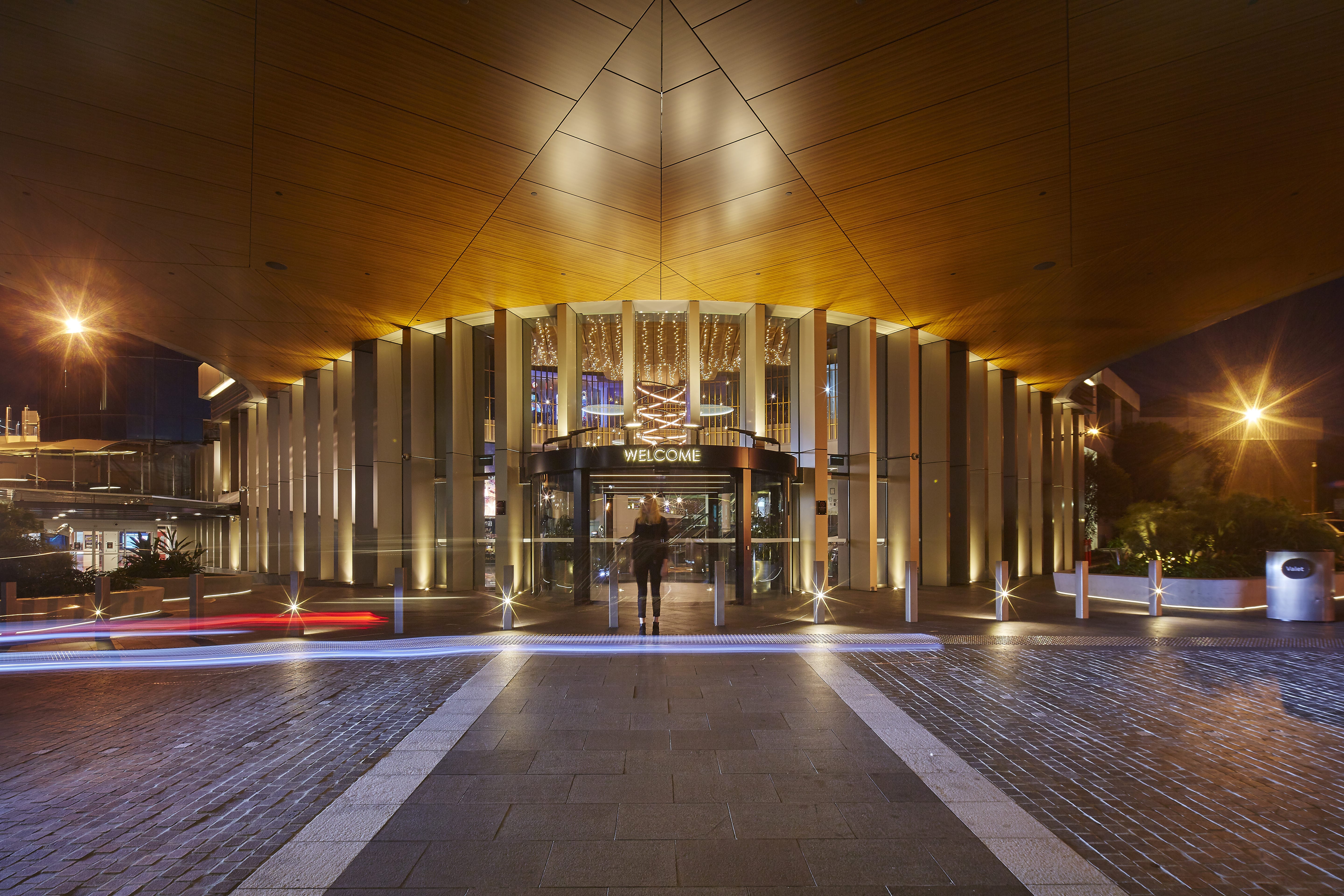
Light can mark entry in many ways: a brighter threshold, a lit canopy, a vertical illuminated surface, a glowing portal, integrated signage, highlighted landscape, feature pendants, wall lighting, water, sculpture, planting, or a deliberate contrast with the surrounding area.
For clubs, hotels, resorts, churches, homes and community facilities, this is critical. The entry is not just a functional point. It is the
first moment of arrival. It sets expectation. It tells people whether the place is generous, calm, active, premium, relaxed or civic.
The Role of Judgement in Lighting Design
Light can also go wrong very quickly.
Too much light, in the wrong place, can flatten architecture. Glare can make an expensive space feel cheap. Over-lit ceilings can fight with the view. Feature lighting can become visual noise. A poorly controlled system can turn a good design into a daily irritation. A sign can be technically illuminated but still unreadable because the background, contrast or viewing angle has not been properly considered.
The same applies to other placemaking tools. Public art can become clutter. Signage can become visual pollution. Water can become maintenance-heavy theatre. Landscape can disappear at night. Retail lighting can fight with the public realm. Large architectural forms can feel heavy or blank without the right night-time treatment.
That is why the work is not just about selecting luminaires.
It is about judgement.
Our team looks at the surfaces, not just the fittings. We consider the area, colour, texture and reflectance of walls, hedges, trees, rock faces, paths, façades, bridges, hillside forms and water bodies. We think about what should glow, what should stay dark, what should reflect, what should guide, what should identify, and what should quietly disappear.
Retail lighting, signage and public lighting need to work together. Landscape lighting needs to reveal planting, texture, edges and movement without making the place feel artificial. Water needs care, whether it is still and reflective or moving and lively. Entries need to be clear without shouting. Facades need to be revealed, not flattened. Public spaces need to feel safe without being flooded with light.
The same thinking applies across clubs, hotels, churches, homes, public spaces, towers, resorts and new communities. The project type may change, but the questions remain similar.
What should people notice first?
Where should they go?
What should feel calm, active, civic, premium, relaxed or memorable?
What should be seen from a distance?
What should be left in shadow?
How does the place feel during the day, at dusk and after dark?
These are the questions that shape better lighting design.
The best lighting often feels obvious after it is done. That is usually because a lot of thinking happened before anyone noticed it.
That is the quiet skill of shaping places with light, day and night.
What are you favourite places at night? Email and tells us where and why.. info@lightmatters.com.au